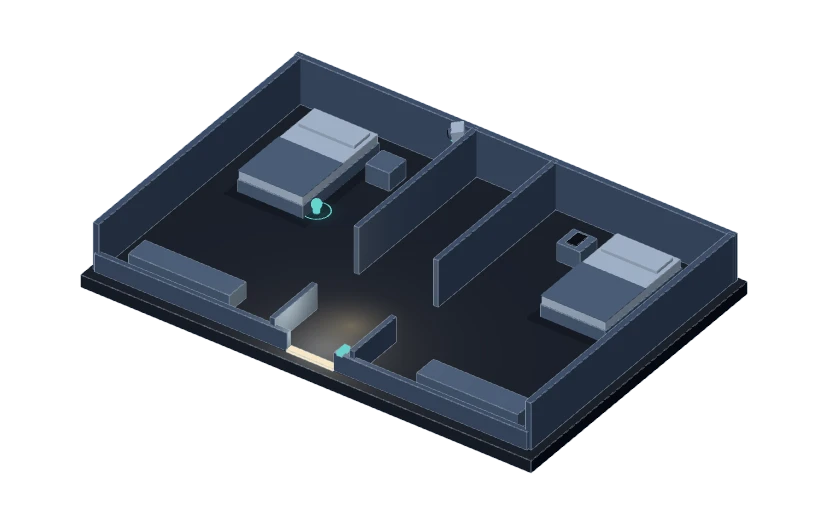
How SafeHeimer works
SafeHeimer is an idea for a system that watches over the home of a person with dementia at night and wakes the caregiver only when it’s needed.
Concept and simulation with sample data. No home testing yet.
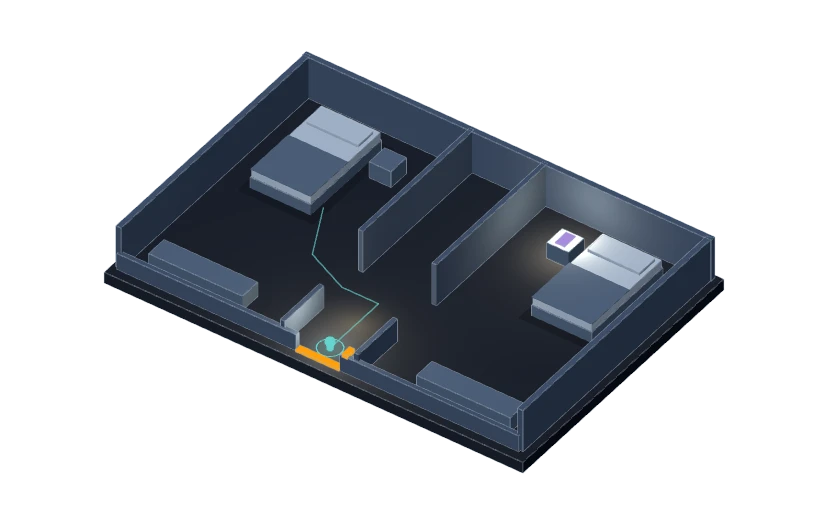
Stage 1 has no cameras: sensors in the home, an app and waking by phone or watch.
Sees
stage 2 · design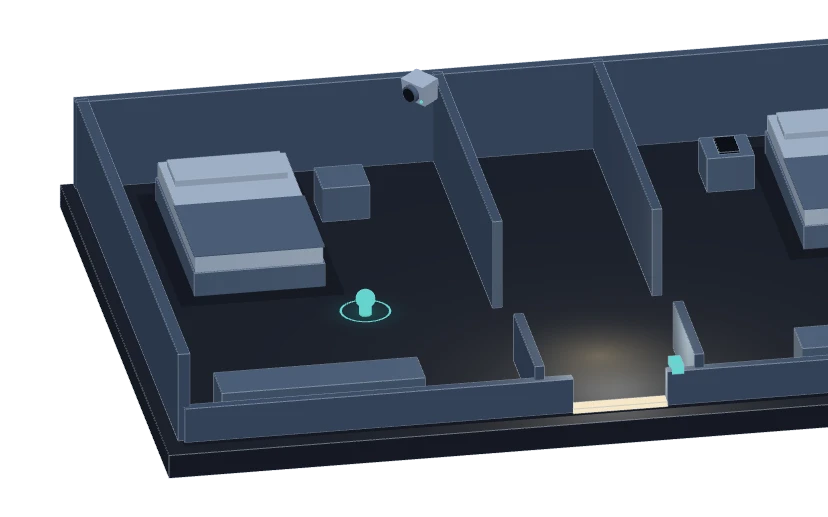
The camera computes a skeleton on the device and discards the image immediately.
No face, no appearance, no surroundings. It’s for recognizing an event, not a person.
Recognizes
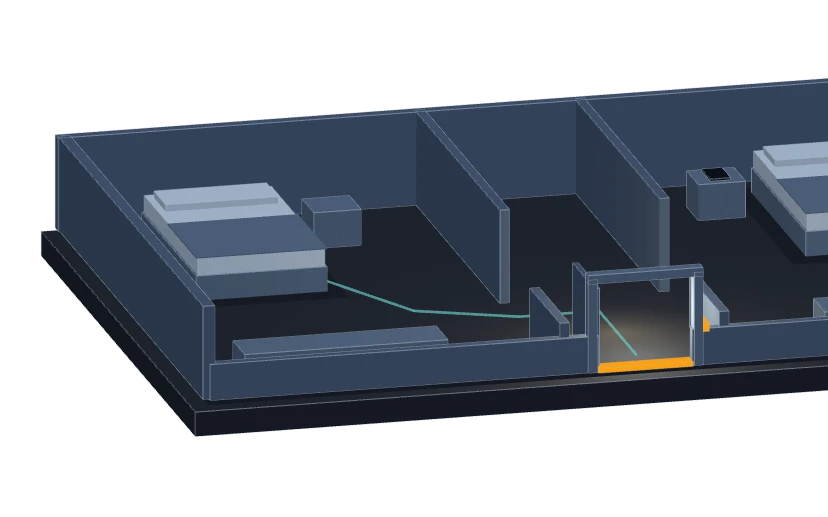
3:10 · Front door open
What counts as urgent was decided by people in advance: leaving home at night, and from stage 2 also a fall without getting back up. Everything else, the system watches.
In stage 1, these are simple sensors in the home—no cameras and no AI.
When the system isn’t sure, it doesn’t silence the alert—it keeps watching and, in the end, wakes a person.
Wakes
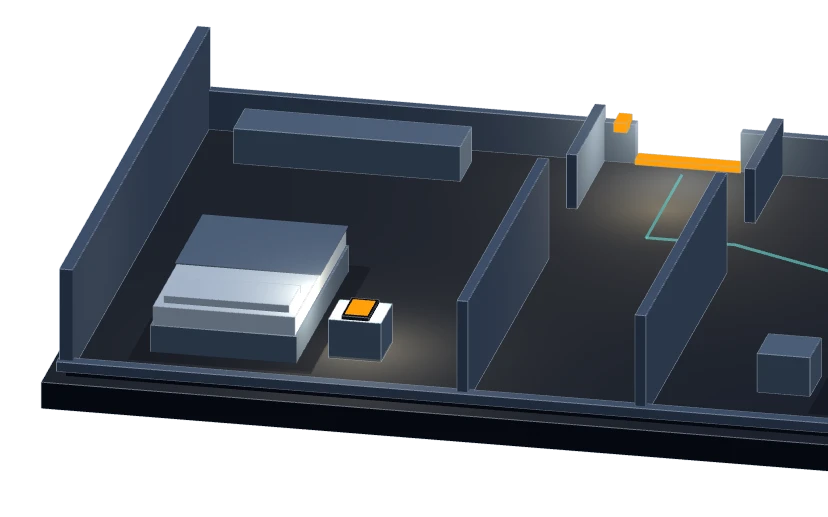
3:10 · Front door open
The right person, the right way.
Urgent: by design, a full alarm within 20 seconds.
Sleep phase changes how the system wakes, never when.
Decision matrix
Design assumptions, not measurements.
Full alarm within 20 seconds.
Sleep phase changes how the system wakes, never when.
Sleep-phase-aware waking is stage 3. Watches only provide sleep phases after you wake up.
Hands over the decision
3:10 · Front door open
- caregiver
- family
The caregiver checks. If they don’t answer—other family members. A person calls emergency services (112).
Design assumption: no urgent event ends in silence.
What leaves the home
stage 2 · designThe home’s boundary. No image crosses it.
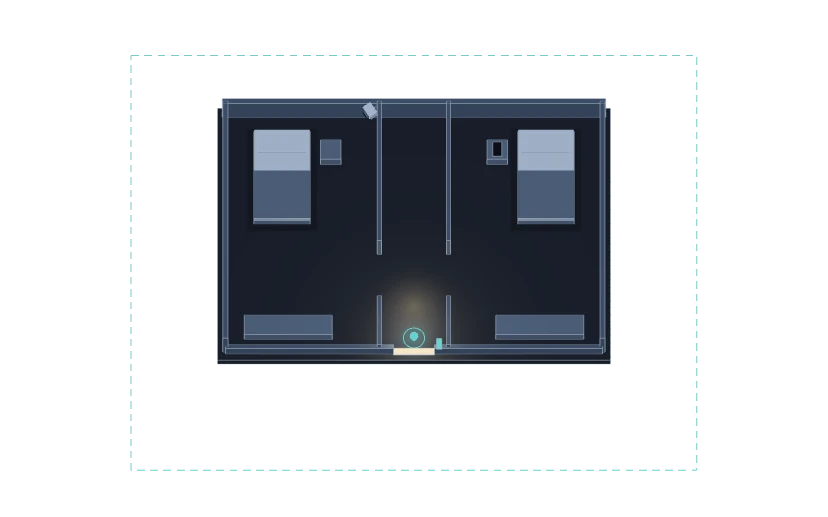
Camera—an image for a split second
System—the skeleton only
Caregiver—a notification and a few seconds of skeleton movement
Family—the same as the caregiver, if they don’t answer
Morning
sample data
loved one’s movement
caregiver’s sleep phases
- REM
- Light sleep
- Deep sleep
6:30. One report, two people: your loved one’s night beside the caregiver’s sleep.
What the system doesn’t know
- stage 2What’s in the hand. The hand-to-mouth gesture is visible, the object isn’t. So the system says: “check in person.”
- Who it is. The system doesn’t know faces—the caregiver tells it who lives in the home. For an urgent event it doesn’t need to know who it is: it always wakes someone. When it isn’t sure who it is, the report says “unknown.”
- stage 2What happens under the covers and out of frame. A second, simpler layer helps here: no movement where there usually is.
- stage 2How effective it is. I don’t have that data yet. In research, the falls used to train models are mostly acted out by healthy volunteers, not older people—a known problem across the field.
Where the system doesn’t know, it doesn’t guess. It says: check in person.
Stages
- Stage 0—now, being built: a sensor on the front door and a small box. At night it wakes people at home and notifies family by phone. In the morning it says whether the door was opened and whether the system was working all night. No cameras.
- Stage 1—sensors in the home, an app and waking by phone or watch. A report on the night every morning. No cameras.
- Stage 2—a camera or radar, where sensors aren’t enough. Chosen after testing. No image leaves the device.
- Stage 3—waking matched to the caregiver’s sleep phase. It needs live sleep data, which doesn’t exist today.
- The idea is that each further stage stays optional for the family.