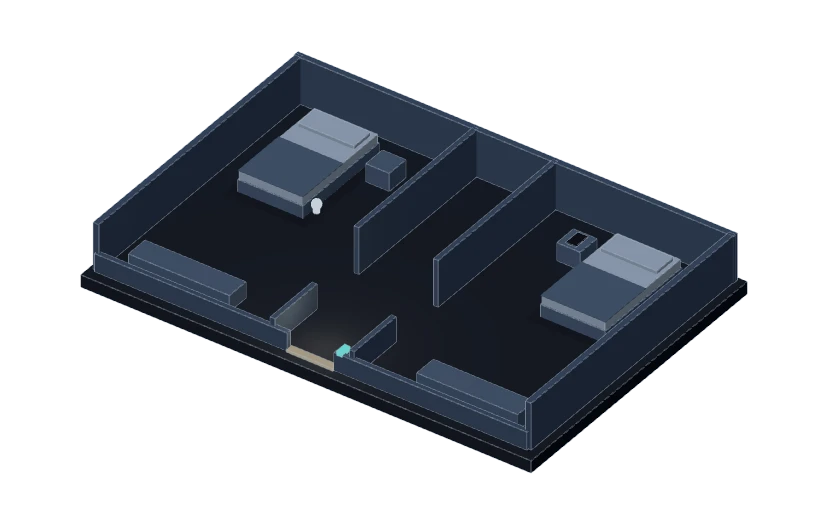
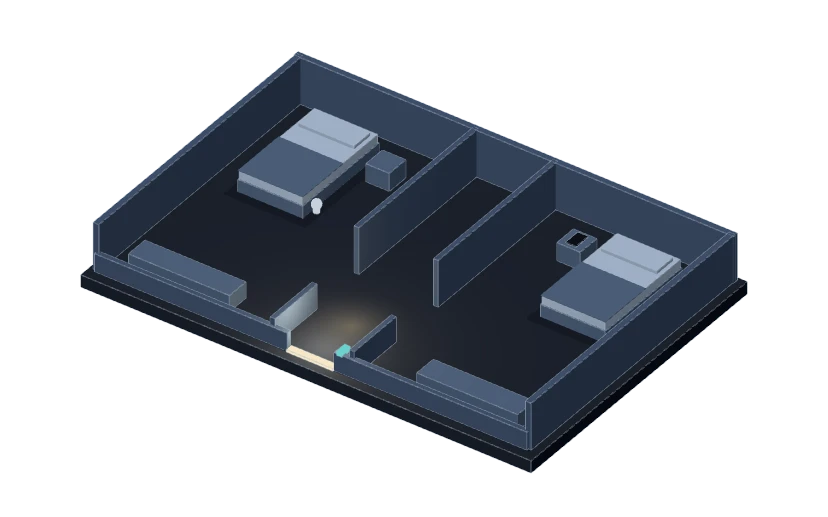
 loved one’s roomcaregiver’s room
Dementia caregivers often sleep with one eye open.
SafeHeimer is an idea for a system that watches over the home of a person with dementia at night and wakes the caregiver only when it’s needed.
An idea, a mockup and a first prototype being built. No home testing yet.
What SafeHeimer does
It thinks about two people at once: the loved one who gets up at night, and the caregiver who needs to sleep.
Watches over the home
Sensors in the home notice when your loved one walks around at night or opens the front door. No cameras.
Wakes only when it’s needed
Leaving the house wakes the caregiver right away; walking around the house is watched first. The alarm goes to the caregiver’s phone and watch. If they don’t answer — other family members.
Shows the night in the morning
One report: when your loved one walked around the house and how the caregiver slept. The caregiver’s sleep data comes from the watch.
See one night
Move the clock.
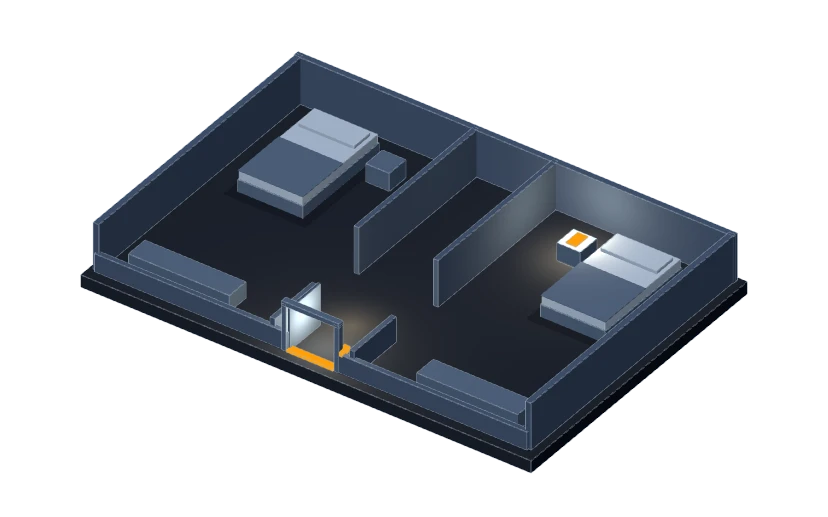
The front door opens. The caregiver’s phone and watch wake them at once.
- 22:00 The house falls asleep. The system keeps watch.
- 2:46 Quiet. No one wakes anyone.
- 3:10 The front door opens. The caregiver’s phone and watch wake them at once.
- 3:11 The caregiver checks. The decision is theirs.
- 6:30 Morning: one report on the whole night.
Simulation with sample data.
Morning
One report, two people: your loved one’s night beside the caregiver’s sleep.
sample data
loved one’s movement
caregiver’s sleep phases
- REM
- Light sleep
- Deep sleep
What stays at home
The caregiver gets a notification about the event—on their phone and watch. Other family members get it only if the caregiver doesn’t answer. The system collects no names and no health data.
sensorcaregiver’s phone and watchCameras only come in stage 2: they compute just a skeleton on the device and discard the image immediately. No image leaves the home.
Step by step
- Stage 0—now, being built: a sensor on the front door and a small box. At night it wakes people at home and notifies family by phone. In the morning it says whether the door was opened and whether the system was working all night. No cameras.
- Stage 1—sensors in the home, an app and waking by phone or watch. A report on the night every morning. No cameras.
- Stage 2—a camera or radar, where sensors aren’t enough. Chosen after testing. No image leaves the device.
- Stage 3—waking matched to the caregiver’s sleep phase. It needs live sleep data, which doesn’t exist today.
The idea is that each further stage stays optional for the family.
What’s still missing: home testing and data on whether it works on real nights. That’s why I’m building the simplest version first and listening to caregivers at the same time.
Do you care for someone with dementia?
I’d like to hear about your nights. The conversation takes 15–20 minutes, by phone or online. My notes contain no names, and I don’t ask about diagnoses or medication.
Do you run home care or a day centre, or work with families? I’d be glad to show you the prototype and hear about your experience. Write to: pawelmical@icloud.com